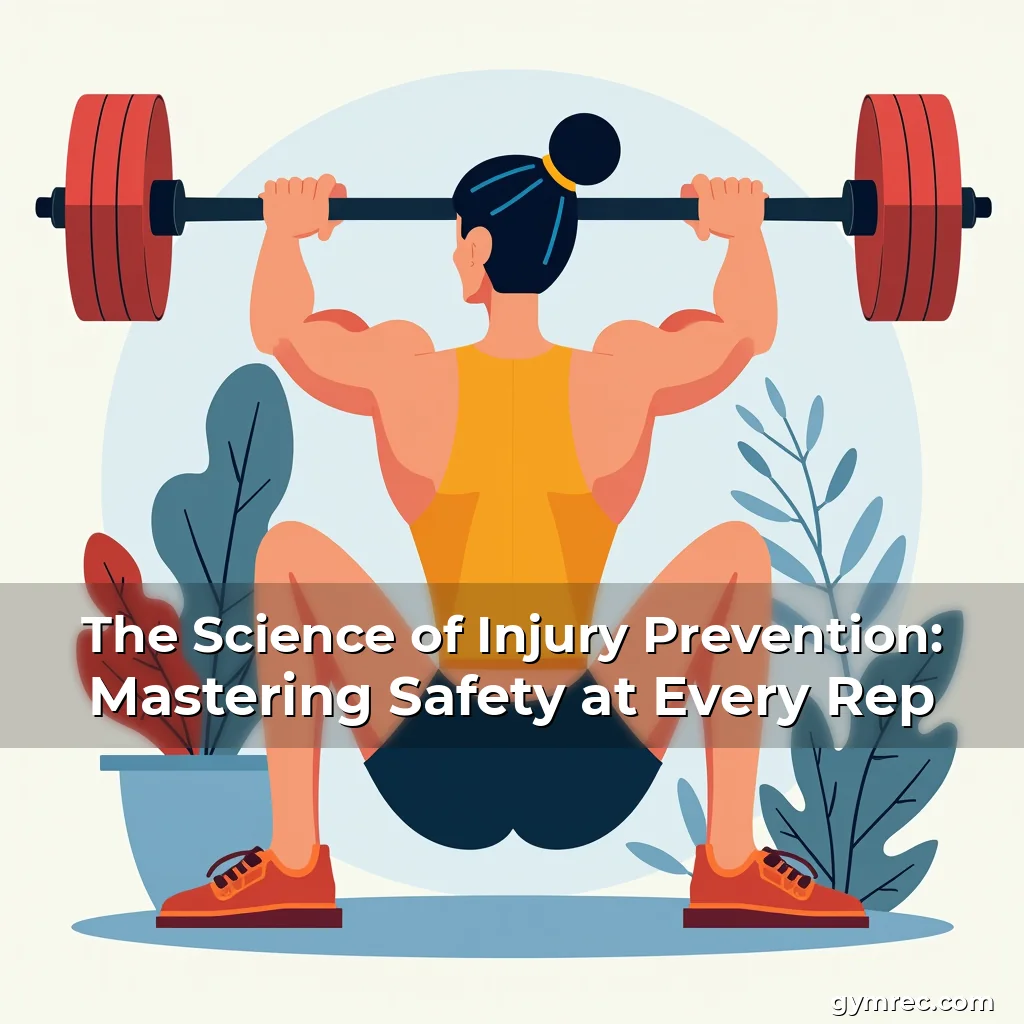
The Science of Injury Prevention: Mastering Safety at Every Rep
In the dynamic world of gym rec, where strength meets sweat, injury prevention isn’t just an afterthought—it’s the foundation of every successful workout session. Whether you’re lifting heavy weights, perfecting your form during yoga flows, or sprinting through circuit training, understanding how to avoid injuries can transform your fitness journey from frustrating setbacks to consistent progress.
This guide is designed specifically for gym rec enthusiasts who want to protect their bodies while pushing past limits. By focusing on biomechanics, warm-ups, recovery strategies, and smart equipment use, we’ll explore practical steps that make injury prevention not only possible but essential for long-term success.
Understanding Biomechanical Principles
Gym rec participants often overlook the importance of biomechanics—the science behind human movement patterns. Proper alignment, joint stability, and muscle engagement are crucial factors in preventing common injuries such as rotator cuff tears, ACL damage, and lower back pain. These issues typically arise when form is compromised due to poor technique or overexertion without adequate preparation.
Biomechanics also plays a significant role in functional movements like squats, deadlifts, and overhead presses. For instance, maintaining a neutral spine position during lifts reduces stress on intervertebral discs, which helps prevent chronic lower back problems associated with repetitive strain injuries. Understanding these principles empowers individuals to perform exercises safely while maximizing results.
- Joint Stability: Strengthening stabilizer muscles around joints improves overall mobility and decreases risk of sprains or dislocations during high-intensity workouts.
- Muscle Engagement: Activating core muscles before initiating compound lifts enhances spinal protection by distributing load evenly across supporting structures rather than concentrating pressure solely on lumbar regions.
Essential Warm-Up Strategies
Adequate pre-exercise warming up significantly lowers the likelihood of acute musculoskeletal injuries among gym rec members. Dynamic stretching routines increase blood flow to targeted areas, preparing muscles for increased workload and reducing stiffness that could lead to strains or pulls. This preparatory phase should always precede any intense activity involving resistance machines or free weights.
Research indicates that static stretching prior to exercise might actually impair performance metrics such as power output or explosive force generation. Therefore, incorporating dynamic stretches—like leg swings, arm circles, and torso twists—is recommended instead of holding stretches stationary for prolonged periods. These motions gradually elevate body temperature and enhance neuromuscular readiness.
Focusing on sport-specific movements relevant to planned activities further optimizes warmth-up effectiveness. If participating in HIIT classes requiring quick directional changes, include drills emphasizing agility; those aiming at Olympic weightlifting should prioritize hip flexor activation techniques known to boost barbell velocity efficiency.
Moreover, light cardiovascular activities such as jogging or jumping jacks help raise heart rate gently before diving into strenuous sessions. This ensures efficient oxygen delivery mechanisms kickstart early enough so tissues receive necessary nutrients right away upon exertion commencement.
In addition to physical components, mental preparation forms part of effective warm-ups too. Visualization exercises focused on correct form execution aid concentration levels required for executing complex lifts accurately under fatigue conditions later stages of training block.
Proper Technique and Form Mechanics
Cultivating impeccable form mechanics remains paramount when it comes to minimizing risks related to improper execution of various lifts within gym rec settings. Incorrect posture during bench presses may cause shoulder impingement syndromes whereas flawed squat stances frequently contribute towards knee valgus deformities leading eventually meniscal cartilage deterioration overtime.
To maintain optimal alignment throughout different phases of each movement pattern, using mirrors strategically placed near primary workstations proves beneficial especially beginners unfamiliar yet with ideal positioning standards expected from advanced practitioners already accustomed rigorous regimens.
Coaches play vital roles here providing real-time feedback adjustments whenever discrepancies occur regarding postural deviations detected visually inspecting athletes’ setups against established benchmarks considered safe threshold parameters defined scientific literature concerning ergonomics field studies conducted extensively last decade.
Implementing progressive overload cautiously alongside refining technical proficiency simultaneously allows gradual enhancement muscular capabilities without compromising skeletal integrity framework sustaining whole organism health longevity aspects pursued consistently throughout lifelong participation programs centered around recreational purposes primarily.
Additionally leveraging technology tools like motion capture systems integrated wearable sensors capable monitoring micro-movements enables precise identification correction opportunities emerging unexpectedly mid-exercises helping rectify potential hazards promptly thereby ensuring uninterrupted continuity seamless transitions between sets repetitions maintaining peak performance standards desired outcomes achieved efficiently effectively sustainably manner.
Recovery Practices and Rest Periods
Evidence-based research underscores necessity prioritizing sufficient rest intervals between consecutive bouts same type resistance training modalities aimed preserving tissue healing processes critical aspect rehabilitation protocols commonly prescribed physiotherapists treating soft-tissue damages resulting frequent overtraining scenarios prevalent among highly motivated individuals seeking rapid gains irrespective physiological limitations inherent biological constraints governing cellular regeneration rates.
Sleep quality emerges another cornerstone element integral comprehensive approach safeguarding against cumulative trauma accumulations manifesting progressively noticeable symptoms including persistent soreness, reduced flexibility ranges, heightened susceptibility infections attributable weakened immune function stemming insufficient nocturnal recuperation cycles disrupting homeostatic balance required cellular repair mechanisms functioning optimally throughout entire organismic structure.
Nutrition intake calibrated according to individual caloric expenditures dictates protein synthesis pathways responsible rebuilding damaged fibers facilitating expedited recovery timelines particularly crucial following eccentric contractions inducing microscopic ruptures necessitating subsequent reparation efforts fueled adequate amino acid availability sourced lean meats, dairy products, legumes, nuts seeds fulfilling dietary requirements adequately.
Hydration status maintained vigilantly throughout daily routine prevents dehydration-induced cramping episodes impacting neuromuscular coordination adversely affecting proprioceptive awareness essential fine-tuning motor skills executed precisely during intricate multi-joint operations demanding synchronized activations numerous anatomical entities working harmoniously achieve intended objectives safely securely.
Active recovery methods encompassed low-intensity aerobic engagements promoting enhanced circulation perfusion delivering vital nutrients swiftly reaching exhausted zones requiring replenishment supplies restoring equilibrium metabolic environments conducive accelerated restoration functions occurring naturally within living organisms subjected regular physical demands imposed contemporary lifestyles characterized sedentary behaviors interspersed sporadic bursts vigorous exertions occasion.
Equipment Selection and Usage Guidelines
Selecting appropriate gear tailored toward personal physique characteristics significantly diminishes probabilities encountering mechanical failures originating faulty apparatus malfunctions exacerbate existing vulnerabilities predisposing users toward catastrophic incidents potentially altering trajectories future athletic pursuits permanently.
Resistance bands offer versatile alternatives conventional dumbbells kettlebells enabling controlled tension applications suitable diverse populations varying degrees experience proficiency levels seeking gentle introductions foundational strengthening procedures preceding transition heavier implements subsequently. However, improper attachment points may compromise structural integrity risking snapping events triggering abrupt recoil forces detrimental connective tissues surrounding affected regions.
Free weights demand meticulous attention placement securement mechanisms guaranteeing stability throughout complete range motions performed repeatedly maintaining constant contact surfaces ground floor platforms mitigating chances slipping occurrences precipitate falls leading severe orthopedic complications requiring extensive medical interventions prolong convalescence durations substantially.
Machine-based equipment provides built-in safety features restricting excessive ROM exceeding manufacturer specifications thus protecting novices unaccustomed complexities manual balancing tasks involved traditional compound lifts requiring vigilant oversight execution sequences avoiding hazardous positions prone misalignment errors escalating risk profile exponentially.
Wearing protective wearings such as wrist wraps elbow sleeves ankle supports judiciously applied situations exhibiting signs instability weakness susceptible exacerbations minor afflictions transforming trivial annoyances debilitating ailments warranting immediate cessation continued involvement respective domains unless professional guidance rendered accordingly.
Monitoring Progress and Adjustments
Continuous assessment growth metrics facilitates timely modifications workout regimen aligning evolving capacities physical attributes adapting dynamically fluctuating circumstances influencing efficacy current methodologies employed achieving desired transformations effectively without undue stressors compromising wellbeing.
Tracking progression via measurable indicators such as increased maximal lift volumes decreased repetition times improved endurance thresholds establishes clear benchmarks evaluating success milestones attained successfully attaining set goals benchmarked initial baselines allowing objective analysis determining whether adjustments warranted optimizing future endeavors pursuing higher aspirations beyond present capabilities.
Regular reassessment intervals scheduled periodically ensuring consistency tracking system remains updated reflecting latest developments accrued systematically documenting variations enabling informed decision-making regarding alterations program design responsive external stimuli internal changes occurring organically over time.
Engaging qualified professionals conduct periodic evaluations identify potential imbalances asymmetries overlooked self-assessments pinpointing root causes underlying recurring discomforts guiding corrective actions addressing deficiencies proactively preventing escalation chronic issues developing irreversible consequences undermining long-term viability wellness initiatives embarked upon diligently.
Adopting flexible mindset embracing change inevitable nature human physiology encourages openness exploring innovative approaches enhancing experiences enriching journeys undertaken persistently striving excellence ever-evolving landscape fitness industry perpetually advancing technological innovations revolutionizing paradigms conventional wisdom once accepted universal truths now questioned scrutinized relentlessly pursuing superior alternatives yielding better outcomes benefiting broader communities engaged active participation.
Creating a Safe Environment
Establishing secure surroundings fosters confidence emboldens boldness attempting new challenges knowing support infrastructure exists cushioning impacts mistakes encountered learning curve navigating unfamiliar territory comfortably. Gym rec spaces must embody principles inclusivity accessibility ensuring everyone regardless age ability condition finds welcoming haven nurturing development ambitions without fear judgmental scrutiny.
Ventilation systems engineered appropriately regulate air quality circulating fresh oxygenated atmosphere diluting carbon dioxide concentrations accumulating densely populated areas promoting alertness attentiveness required performing complex maneuvers requiring full cognitive engagement executing precise instructions memorized mentally rehearsed beforehand.
Illumination schemes optimized strategic placements overhead lighting fixtures directing beams downward illuminating workout stations sufficiently brightening shadows obscuring visibility obstacles hidden corners potentially causing tripping incidents injuring unsuspecting occupants traversing paths unknowingly approaching hazardous spots.
Noise level management implemented thoughtfully balancing auditory stimulation motivating energy without overwhelming senses diminishing capacity concentrate focus necessary mastering multifaceted skillsets demanded modern gyms featuring eclectic array equipment catering varied interests preferences individuals seeking holistic approach wellness integrating elements cardiorespiratory conditioning strength building flexibility enhancement mental fortitude cultivation.
Emergency preparedness measures institutionalized standard operating procedure outlining step-by-step protocols responding unforeseen emergencies ranging cardiac arrests slips falls equipment malfunction ensuring swift intervention minimizing harm inflicted victims receiving prompt assistance averting worst-case scenarios turning tragic tragedies manageable incidents recoverable relatively quickly without lasting repercussions damaging reputations establishments hosting clientele regularly.
Community Support and Education
Fostering strong communal bonds cultivates culture mutual respect encouraging open communication sharing knowledge freely contributing collectively elevating standards excellence achievable within shared space dedicated pursuit health fitness. Experienced members mentoring newcomers bridging gaps comprehension accelerating acclimation process easing anxiety uncertainty confronting unknown territories intimidating initially.
Organizing educational workshops seminars covering topics spanning anatomy kinesiology nutrition psychology equips attendees arsenal information empowering them making educated choices steering clear pitfalls common novice errors repeating costly mistakes wasting precious resources time invested futilely chasing illusive shortcuts promising instant gratification rarely materializing reality.
Encouraging peer-to-peer interactions through group discussions forums social media groups creates vibrant ecosystems exchanging ideas troubleshooting solutions overcoming hurdles together reinforcing sense belonging solidarity reminding everyone they aren’t alone facing similar struggles triumphs celebrated jointly amplifying motivation levels driving perseverance through tough plateaus challenging moments.
Developing leadership programs identifying natural mentors groomed guide others based demonstrated aptitude empathy patience willingness share expertise generously fostering environment reciprocity gratitude appreciation acknowledging contributions made shaping positive atmosphere where everyone thrives collaboratively rather competing individually isolately.
Promoting inclusive policies ensuring equal opportunity access facilities amenities regardless socioeconomic backgrounds cultural differences gender identities disabilities creating equitable playing field leveling disparities historically disadvantaged marginalized demographics previously excluded benefits afforded privileged majority enjoying exclusive privileges unfairly enjoyed disproportionately.
Conclusion
Injury prevention in gym rec requires a multifaceted approach combining scientific knowledge, practical application, and supportive environments. From mastering biomechanics to implementing smart recovery practices, every element contributes to safer, more sustainable progress. Embracing these principles transforms workouts from risky ventures into rewarding experiences that foster both physical resilience and mental clarity.
By staying committed to continuous learning, proactive adjustment, and community collaboration, gym rec enthusiasts can minimize injury risks while maximizing their potential. Remember, true strength lies not only in what you can lift but also in how wisely you choose to train—and how resiliently you recover afterward.